
Maximizing energy efficiency
Water Heater Installation
in Miami, FL
Seamless upgrades to modern, cost-saving tankless and traditional storage tank units — installed to code, with the pan, the venting and the connections done properly.
Tankless or storage tank?
Neither is automatically the right answer, and anyone who tells you otherwise is selling rather than sizing. The decision comes down to how much hot water you draw at once, how the building is fed, and what the existing venting and gas or electrical capacity will support.
Tankless
- Endless hot water — it heats on demand rather than storing
- No standby loss, so it costs nothing to keep hot overnight
- A fraction of the footprint, wall-mounted, often out of the way
- Typically a longer service life than a storage tank
- Needs adequate gas supply and dedicated venting, or a real electrical feed
- Higher up-front cost, recovered over the life of the unit
Traditional storage tank
- Lower up-front cost, and a straight swap on most existing installs
- Handles simultaneous heavy draws well within its capacity
- Simple, familiar, and cheap to service
- Runs out and needs recovery time once the tank is drawn down
- Standby losses, and a footprint you cannot avoid
Sizing it properly
An undersized unit is a daily annoyance and an oversized one is money burnt every hour for its whole life. Sizing means counting the fixtures that can run at once, the flow each one needs, and the incoming water temperature — not matching whatever number was on the old tank, which may well have been wrong when it was fitted.
What a proper installation includes
The unit is the easy part. The install is where the difference shows up two years later:
- A safety pan and a drain line — so the day it eventually fails is a mop, not a claim
- Correct venting — sized, sloped and terminated properly on gas units
- A relief valve and discharge line routed to a legal termination
- Isolation valves on both connections, so the next service does not mean draining the building
- Expansion control where the supply arrangement calls for it
- Seismic and physical strapping where the location requires it
- Correct electrical or gas connection, and disposal of the old unit
- Permitting and inspection where Miami-Dade requires it
We install pans as a matter of course. It is a small line on the invoice, and it is what turns the day the tank eventually fails into a mop rather than a claim.
Point-of-use and recirculation
Not every hot water problem is the heater. A fixture at the far end of a long run wastes water every time someone waits for it to get hot — a point-of-use unit at that fixture or a recirculation arrangement solves it without touching the main heater. Both are things we fit.
Not sure the old unit needs replacing at all? Start with repair and maintenance — a flush, an element or a thermostat is often the whole answer. Call (786) 439-4935 and we will diagnose it first.
On the job
Water heater installations
-
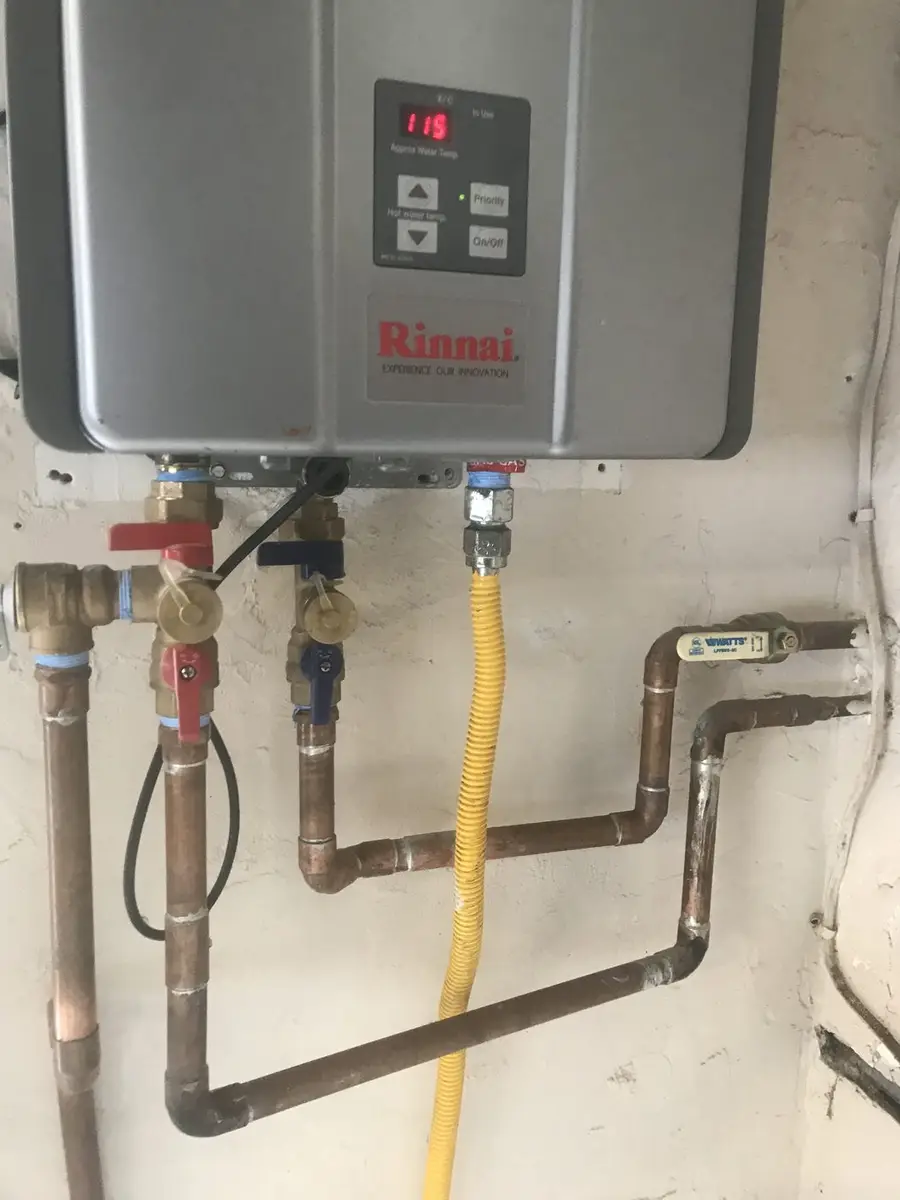
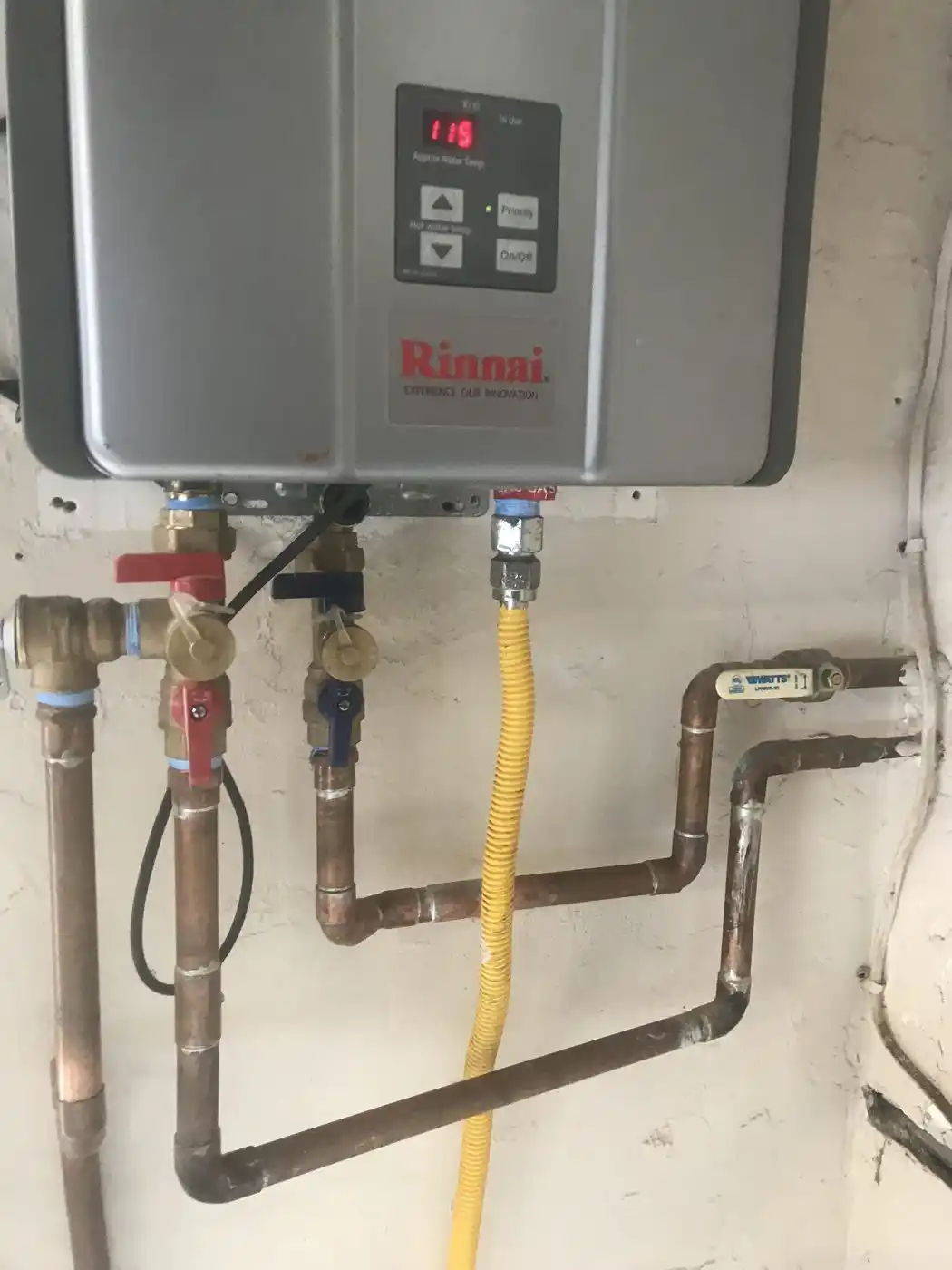
Wall-mounted tankless water heater with new copper hot and cold lines, isolation valves and a yellow gas connection -
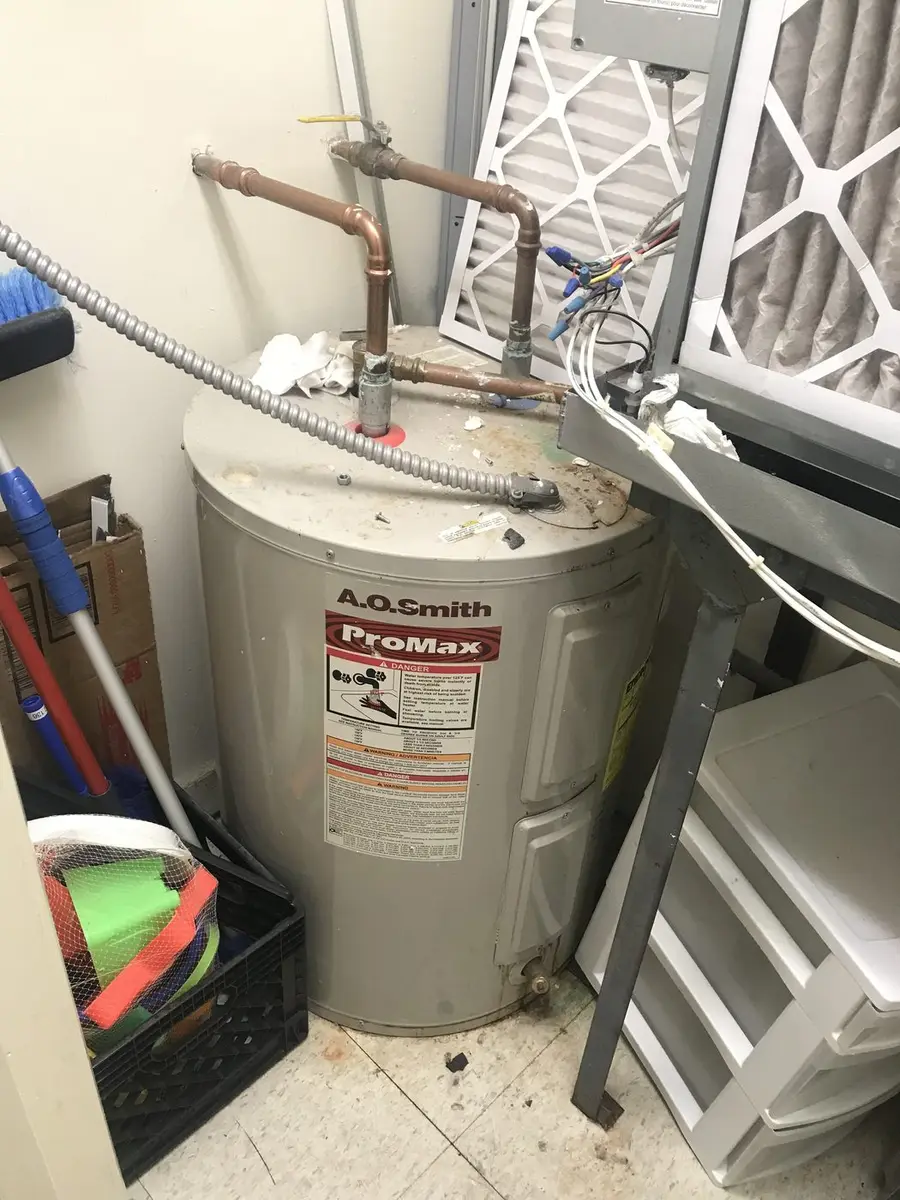
Electric storage water heater installed in a utility alcove with new supply lines run overhead -
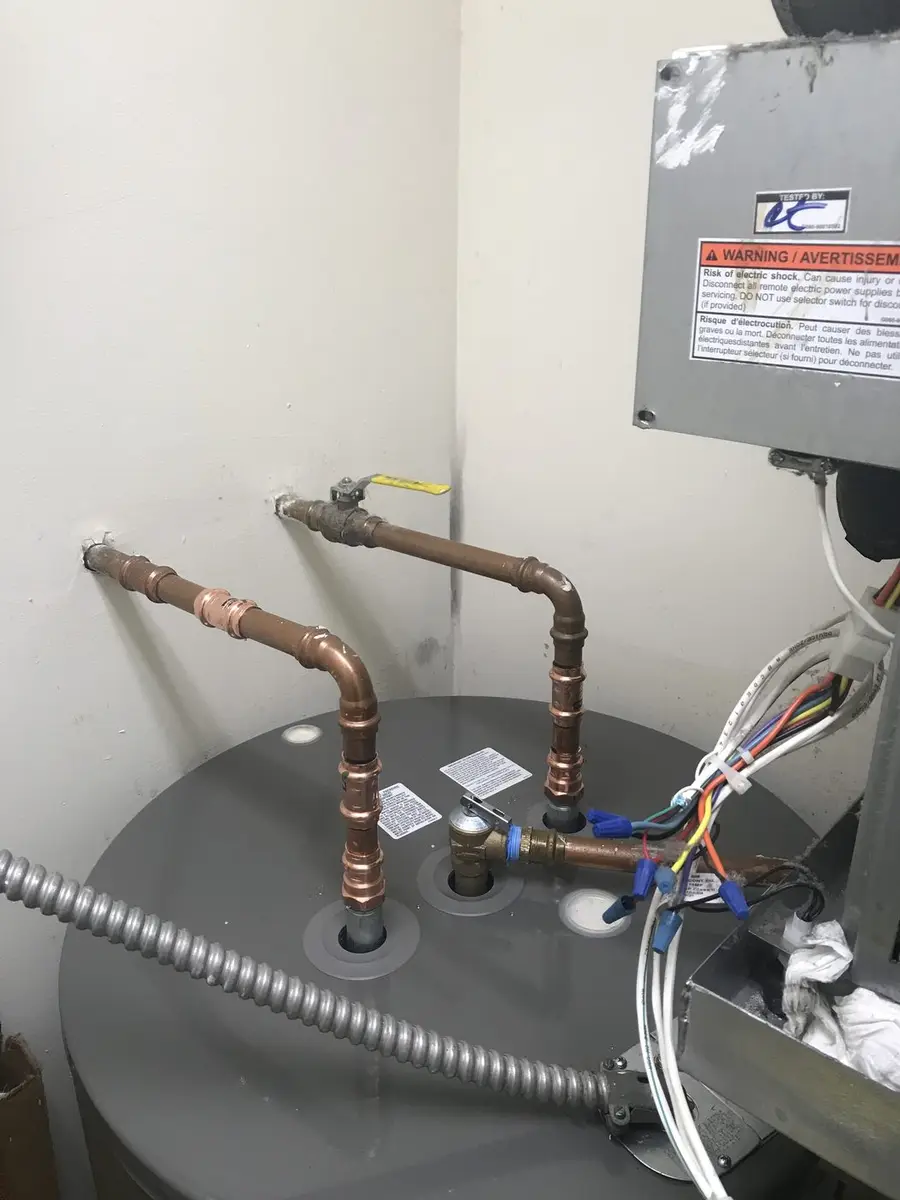
Top of a water heater showing new copper nipples, flexible connectors and a fresh electrical whip -
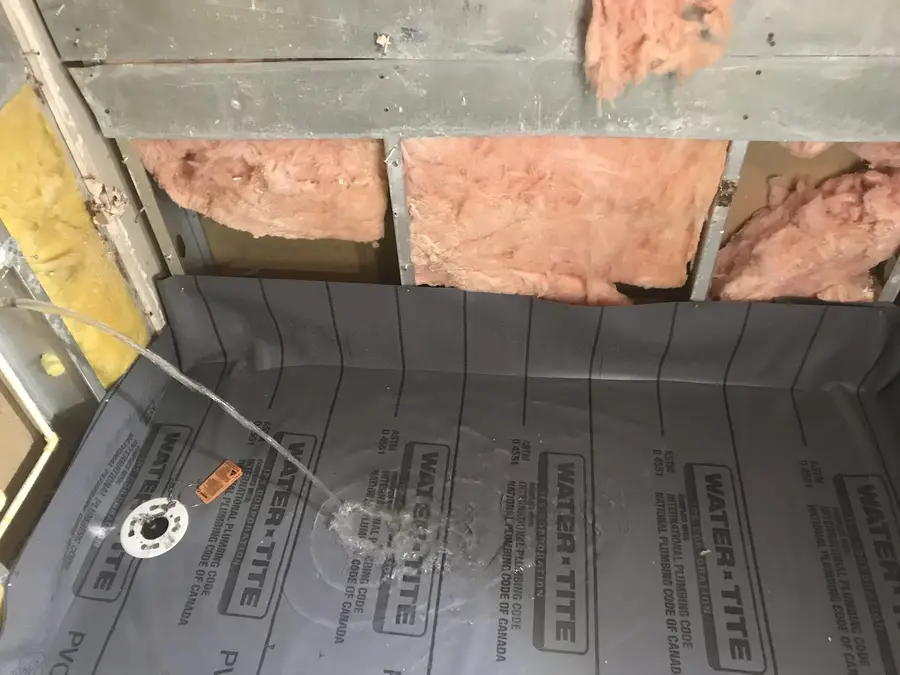
Water heater safety pan fitted into a closet floor before the tank is set, ready for its drain line -
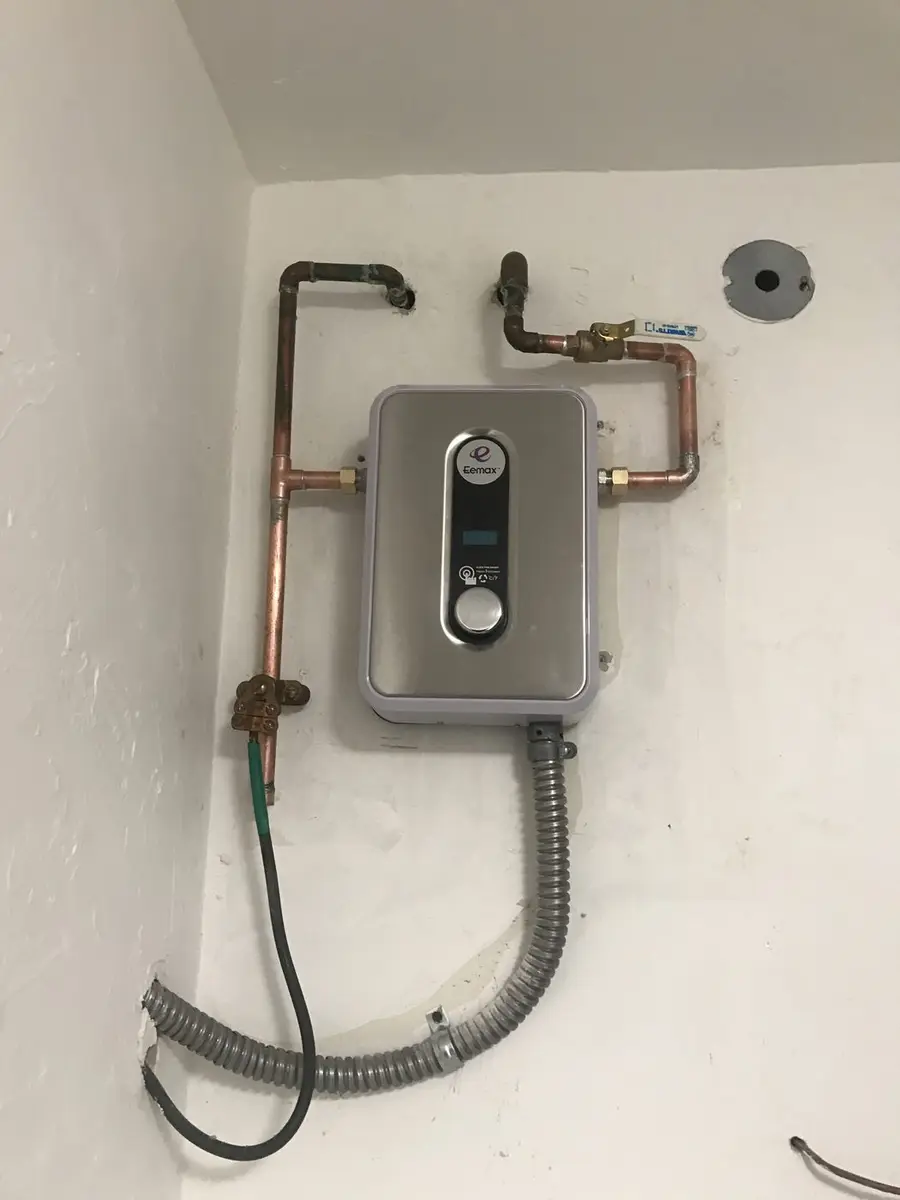
Compact point-of-use water heater mounted on a wall with copper supply lines and a flexible conduit -
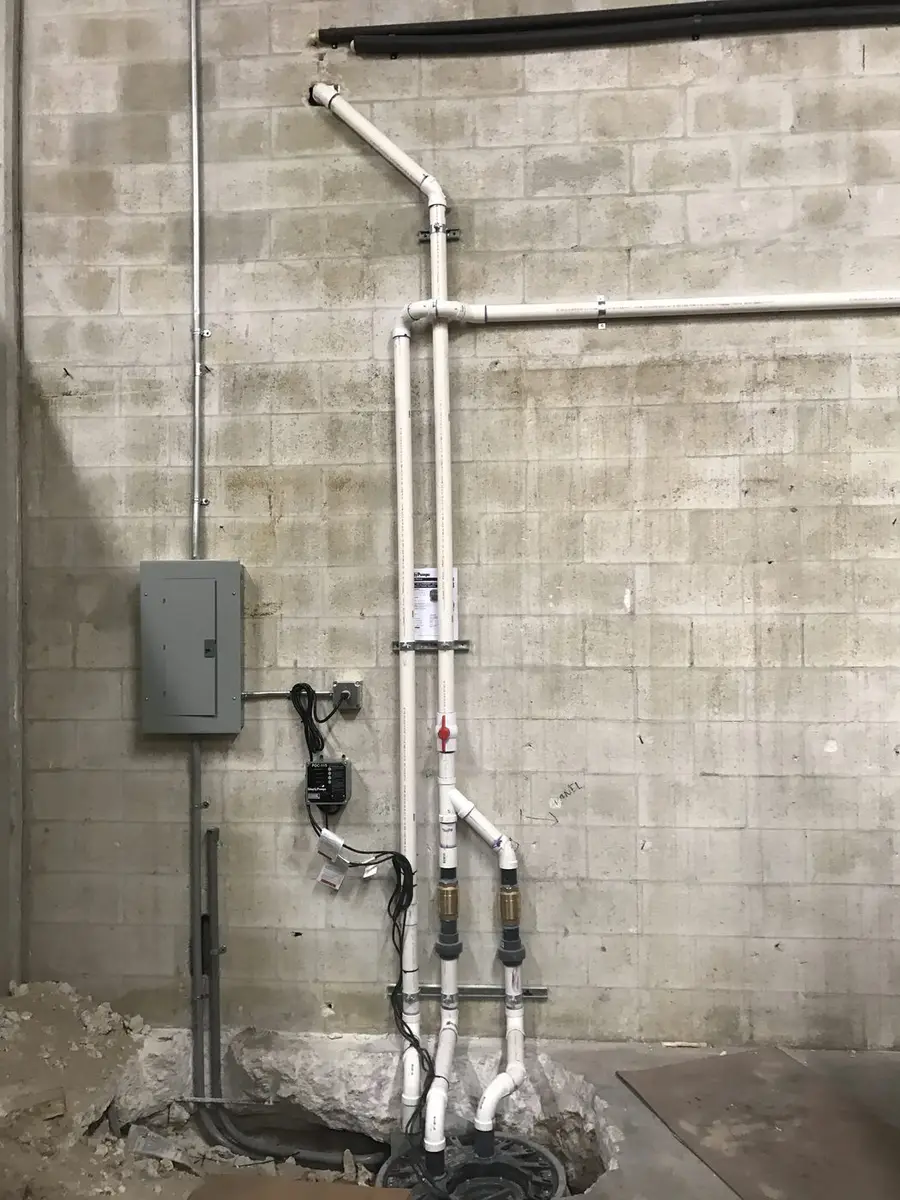
Water heater rough-in against a block wall with the supply lines, drain and electrical disconnect set
Talk to a plumber
Get a certified plumbing expert dispatched today
Contact Progressive Plumbing Solution Inc. now for fast relief. Our mobile service units operate across the entire Miami metropolitan area, so a licensed technician is dispatched straight to your community — whether it is an emergency at 2am or a scheduled installation next week.